

Dunno for You, but personally what I despise more than vulgarity is political correctness. One can legitimately ask if any of our indignations, or outrages against injustice are genuinely sincere in an age of mass communication where everyone is entitled to their 15 min of fame, and where what matters ultimately is to be “IN” or “FASHIONABLE” in order to come across as “MORAL” and or “JUST” in the eyes of a public opinion we wish to SEDUCE rather than CONVINCE.
Ever since I left Iran 30 years ago having witnessed the Iranian revolution and the atrocities that fell upon a nation I love and cherish, I couldn’t ever help feeling frustrated at the idea that all the crimes committed in my country were being overlooked by people in the democratic countries I was lucky to live in or visit. Each time a major tragedy would take place in Iran, and hopes of an upheaval against the regime seemed to be apparent, one tragic incident elsewhere seemed to chase another and totally distract attention at what in my view mattered to me at least. Maybe my interest in films and later on studying about audio visual communication led me to take an even stronger interest in the effect of mass media on the public psyche. Witnessing the executions of Imperial officers and ministers in Iran on State Television was certainly one of the most gruesome interactive experiences I ever had. Watching adults talk or joke about this or that minister being caught and executed and listening to sardonic laughters of highly educated people turned “salon” revolutionaries overnight despite having benefited from the previous regime and spewing hatred of anything deemed “taghouti” as opposed to the virtuous “mostaazaf” often drove my father mad at his fellow university colleagues whom he accused of hypocrisy. I on the other hand felt rather confused at the entire experience which seemed to equally repulse me and intrigue me at the same time. It was hard to imagine that these images were real until one day when I learned of a fellow classmate (whose full name I alas forgot, except for his first name “Kamran”) whose father was executed on charges of being a SAVAK officer in Shiraz. Ironically I found out about it before Kamran himself told us about this tragic loss by watching the television one evening and recognizing his father on the Local Prime News. No one in my class ever thought or suspected that Kamran’s father who was an engineer was an intelligence officer. Nor were the accusations against him ever clear. Khomeiny had declared a general amnesty for all former regime officers or ministers after months and months of arbitrary trials followed by executions often televised. And Kamran’s father had finally decided to deliver himself to the revolutionary tribunals in Shiraz after spending months in the mountain outskirts surrounding the city.
So the very first and last time I ever saw Kamran’s father was on Television. A handsome man in his mid 40’s at the time he naturally looked very much like his son. I recall vividly the following day, seeing Kamran at school. He was not an outgoing boy. I recall many of us would make fun of him throughout the year because he appeared shy and clumsy and unlike most of us in our community school, his english was not that fluent. Hence we had no particular reason to spill crocodile tears simply because we had found out about his tragic story. Kids at that age even teenagers as was our case can be cruel if not as cruel as adults. Our only excuse is that unlike adults we are innocent and probably less experienced about life. Thinking back to those days the reaction of some of us reminded me of the scene in marjane satrapi’s Persepolis where the kids chase a poor boy whose father is accused of being a Savaki. However on that day everyone felt a deep sorrow for Kamran’s predicament. He left school a week later and we never heard of him again. To this day, I don’t know if he is alive or managed to escape Iran with his mother and siblings. Did he remain in Iran ? Was he taken to the War Front ? I will never know …
If only I could remember his family name and try to find out about his whereabouts if any.
But beyond this personal anecdote as I observe all that is going on in the world and particularly in the Middle East and North Africa, I cannot but help think about all the lives which will be shattered or damaged by collateral effects be them physical or psychological on a given generation of Libyans, Egyptians, Tunisians, Syrians, Bahrainis, Yemenis who in the months or years to come may either have to leave their country or remain and endure the hardships or joys that the larger than life events will put in front of them. Life and far less romantic considerations will force them (or their parents if they are too young to decide for themselves) to make choices, often harsh ones and with irreversible consequences which will impact their lives for better or for worse. In short they will have to learn to cope with life, move on or grow up in order to survive.
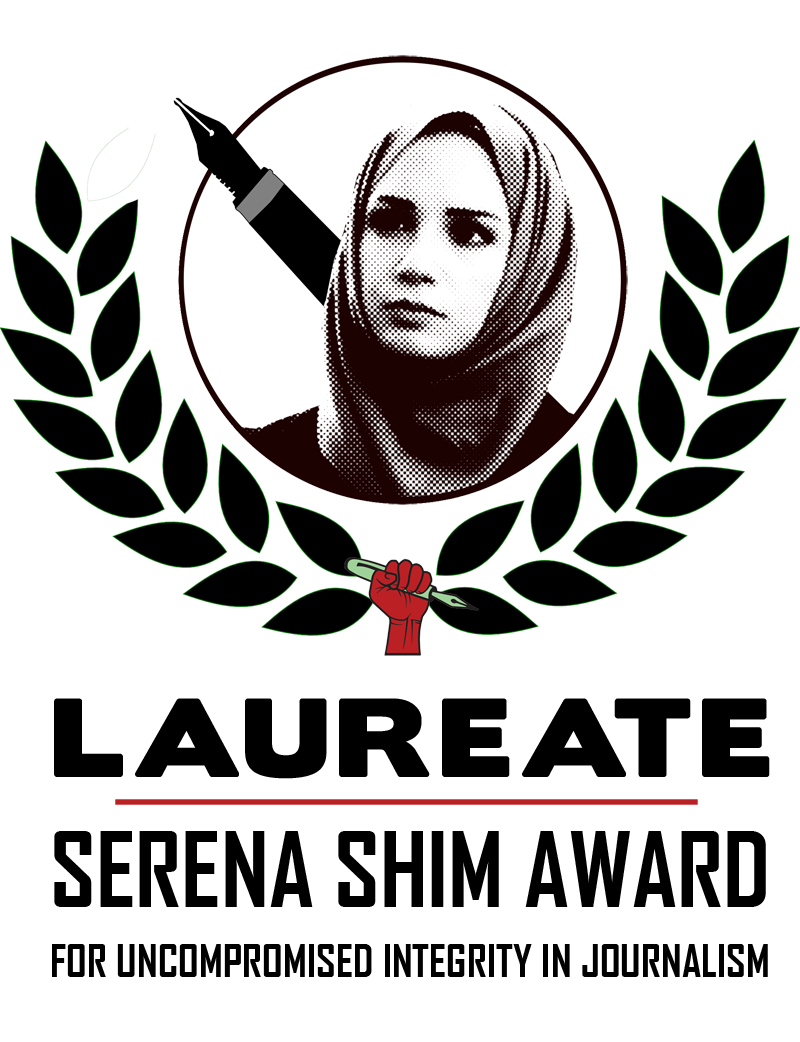
Revolutions, Wars are not picnics. There is nothing entirely glorious nor is it always triumphant. The Common denominator is that people often die or are hurt one way or another, regardless of which camp they find themselves in. How many lives will be shattered for ever like hers: